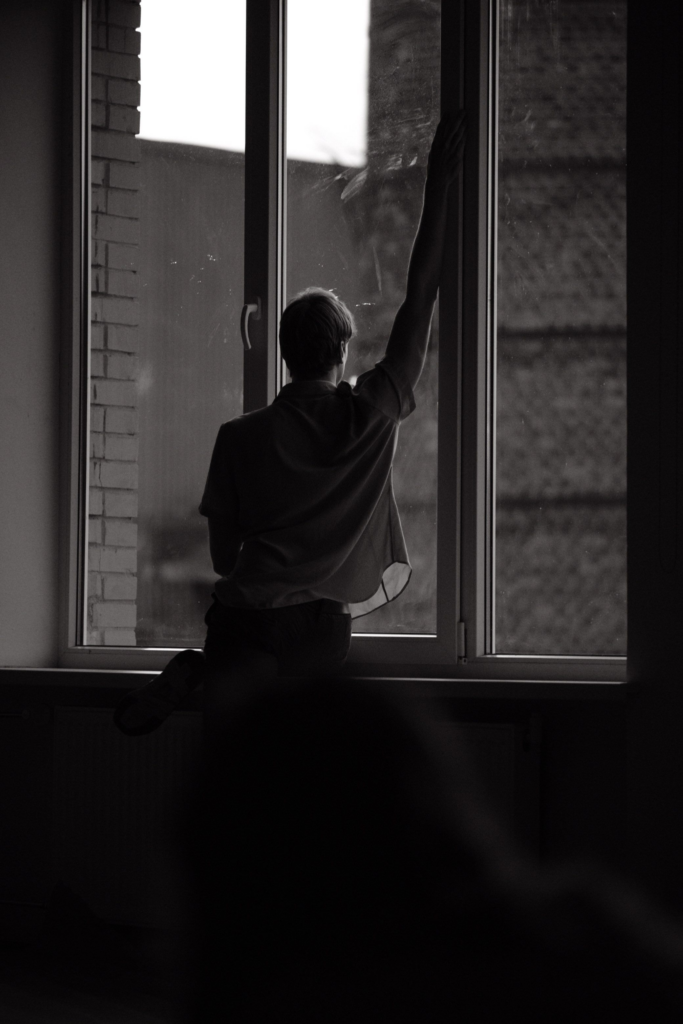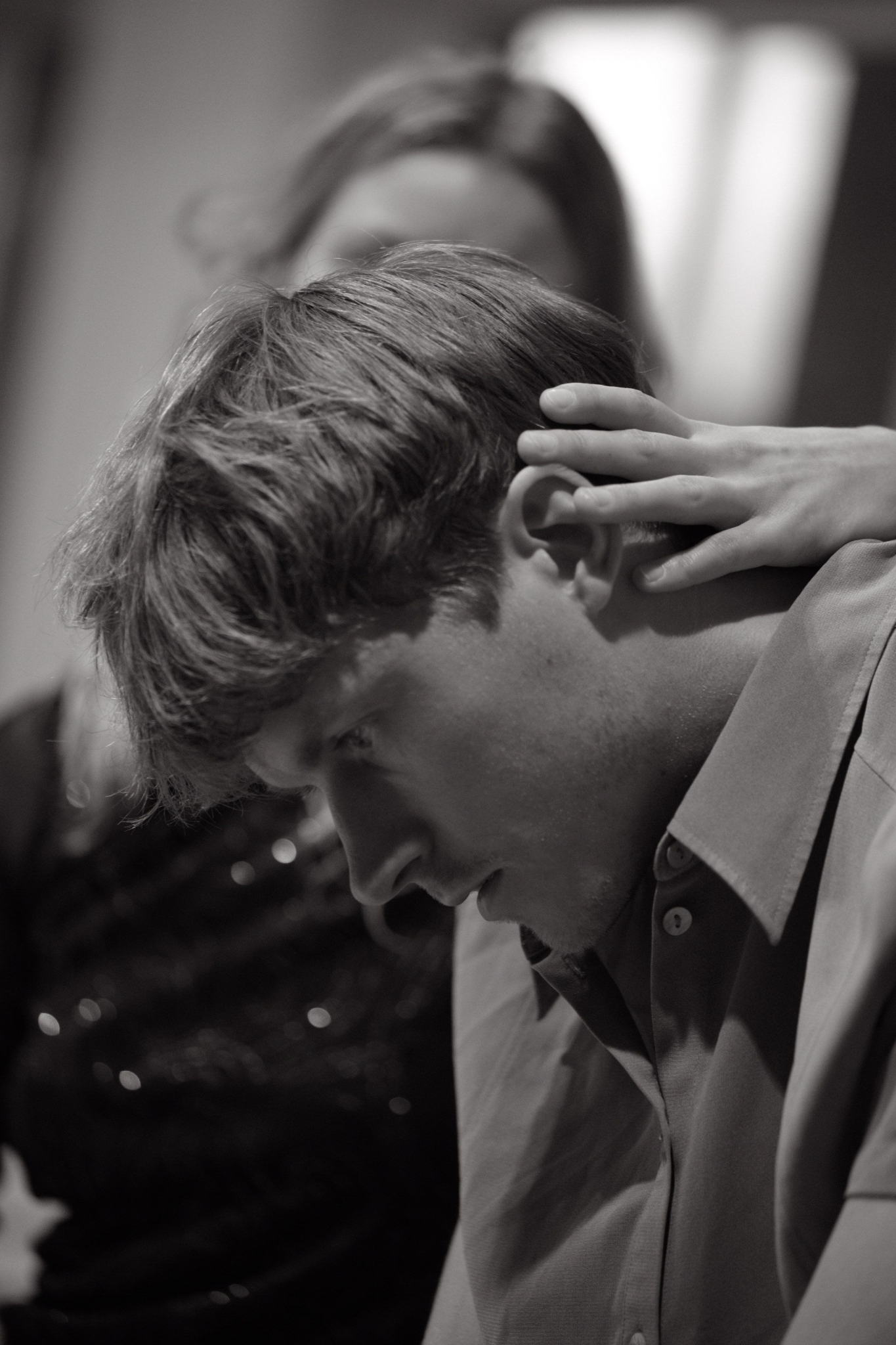
90′ performance
september 2023, elektron.art
more information: https://elektron.art/projects/poets
Performance: Liisbeth Horn
Performers: Johanna Vaiksoo, August Vaiksoo, Liisbeth Horn
Dramaturgy and sound design: Karl Saks
Light design: Revo Koplus
Set design: Riin Maide
Project manager: Kaie Olmre
This performance was grounded in the core-idea that had carried me throughout all my previous works – that reality is not objective but constructed—shaped by the stories we tell ourselves to fill the gaps left by perception, memory, and belief. Through this acknowledgement, the work tried to question whose realities are considered legitimate, how narratives become normalized, and how social hierarchies determine which versions of the world are heard.
We started the process with mapping our own subjective realities and dominant narratives, then expanding to perspectives beyond the realities we usually inhabit. This led to meeting Ivo and Lydia, a homeless couple whose lived reality fundamentally challenged our assumptions. Their stories became central to the process, intertwining with our own through repeated meetings, shared time, and dialogue.
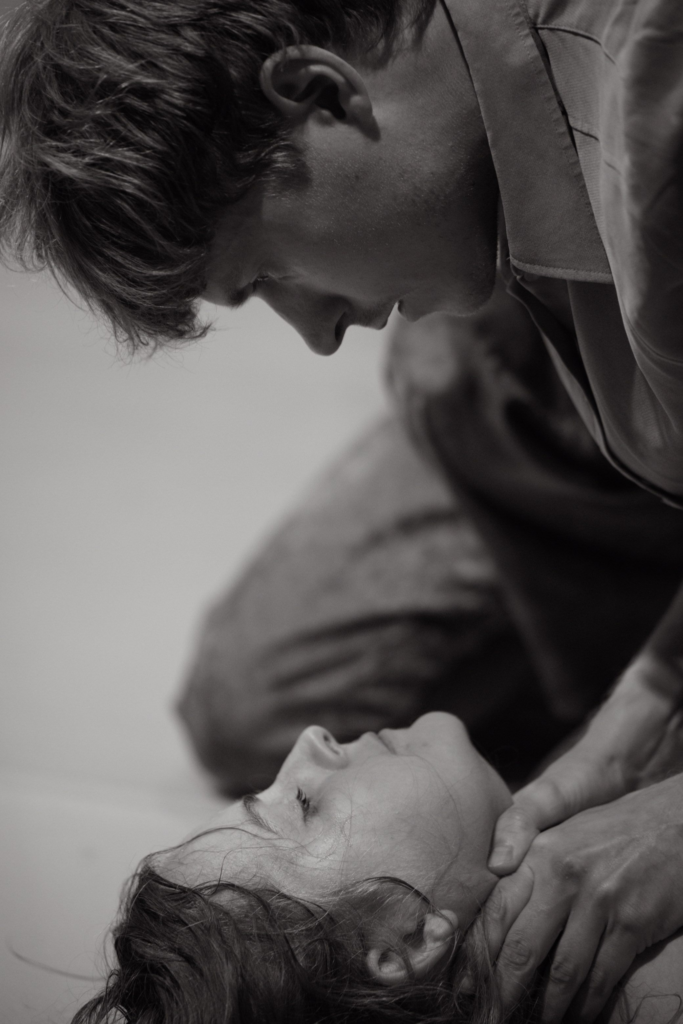
The final piece was constructed as a collage of fragmented narratives—ours, theirs, and those of others, unfolding as a poetic, chaotic assemblage: a physical poem composed of overlapping realities. By allowing marginalized and dominant narratives to coexist, the work as a gesture refused a single authoritative truth and making visible that how and what we come to accept as common reality, is shaped by power and exclusion.
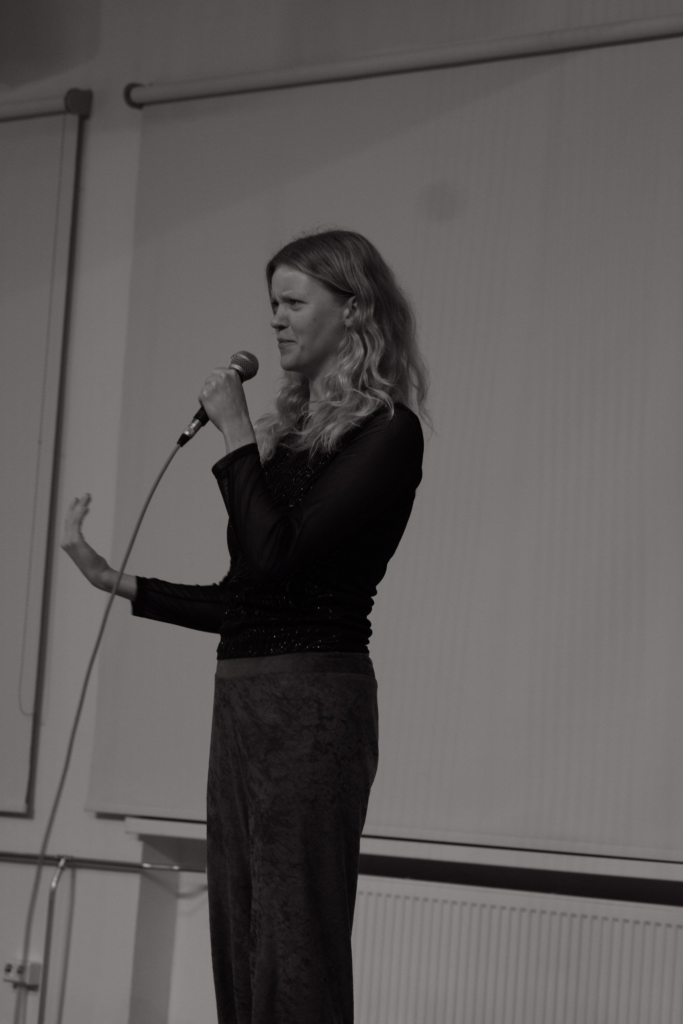
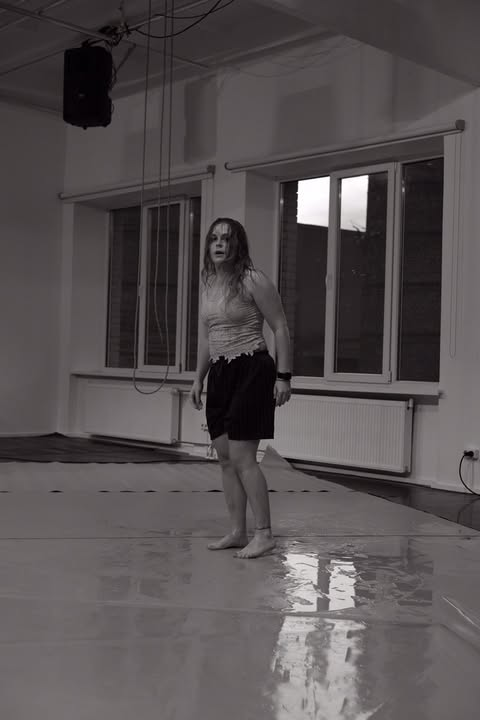
In the rage of life, only assorted moments are caught on camera. In a selectively (and maybe naively) framed reality, coincidences meet at which the mother smiles. And even bad mothers smile. Clown schools are tough, mid-life crisis is manifested, it gets sad when there’s no fate, silly hoes rub their lips with dried lipstick, poets sit on a park bench, drink beer and lure songs home.
Beautiful, perhaps, but it’s not real. In reality, these poets know nothing about reality. Nobody knows. All information reaches the poets in fragments. Their brains connect the clues, fill in the gaps with stories, and invent a new reality by themselves.
“Reality poets” hunts for the narrative, which binds the half-random bits into a whole. This poetically assembled blur is not intentionally fake. People have power over cameras, but not over their brains. The outtakes of reality sit on a bench, rolling a flat filterless fag from the tobacco dregs collected in a snus box, cause trivial outgo has no taste nor point. Brain will stuff the gaps with something else.
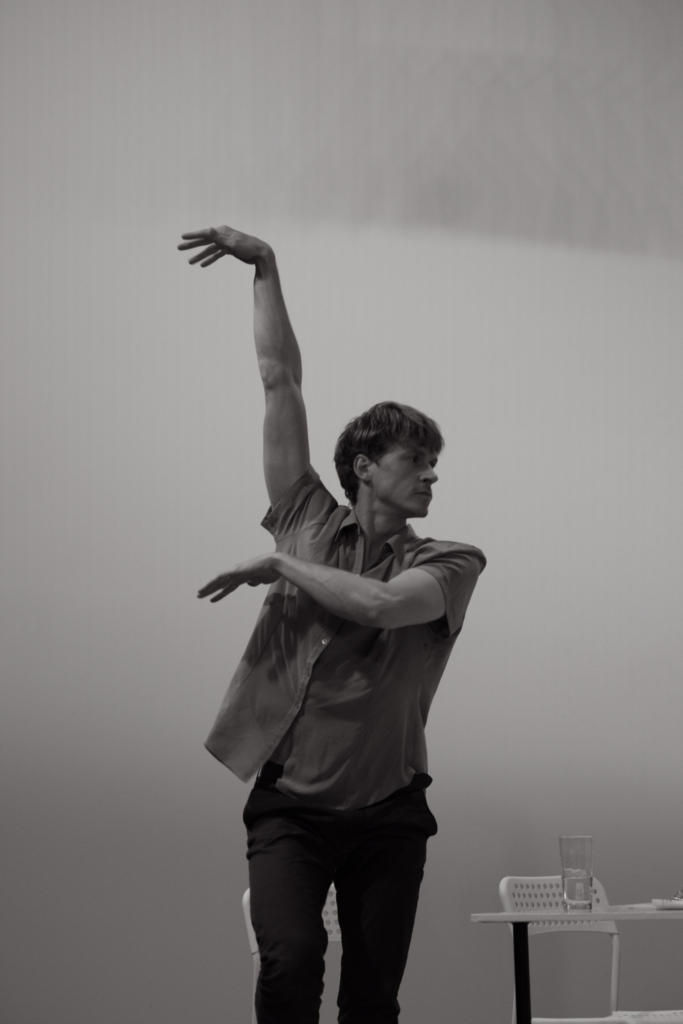
*This process was two years later followed by a short documentary about the life of a homeless friend Ivo, created in collaboration with an alternative newspaper (Müürileht).
It is visible here (in Estonian).